Septic Services and System Upgrades: When to Consider Them
A septic system tends to disappear from a homeowner’s mind right up until it does not. When everything works, wastewater leaves the house, the yard stays dry, drains move freely, and there is no reason to think much about the tank or drain field below the surface. When trouble starts, the signs are rarely subtle for long. Odors creep in, grass turns suspiciously lush over one patch of lawn, toilets slow down, and repair costs begin to climb.
That is why the question is not simply whether to schedule septic services, but when routine service is enough and when the system itself needs a more serious upgrade. That line matters. Plenty of problems can be solved with pumping, filter cleaning, riser installation, or a targeted repair. Others point to a system that no longer fits the house, the soil, the water use, or current code requirements.
Homeowners often wait too long because they assume every septic issue means total replacement, or because they assume every issue can be fixed with one more pump-out. Real-world situations usually land somewhere in the middle. Good decision-making starts with understanding what your system is trying to tell you.
The difference between service and upgrade
Routine septic services are the maintenance and repair work that keeps an existing system functioning as designed. That includes pumping the tank, inspecting baffles, cleaning effluent filters, locating lids, repairing broken risers, jetting lines, checking pumps and floats in pressure systems, and diagnosing isolated failures. If a tank is structurally sound and the drain field is still accepting effluent properly, regular service may buy you many more years of reliable use.
A system upgrade is different. It means changing the system’s capacity, components, treatment level, or disposal method because the old setup is no longer adequate. That might involve replacing a failing drain field, adding a pump chamber, converting from gravity distribution to pressure distribution, installing an aerobic treatment unit, enlarging the tank, or redesigning the system to meet local regulations. Sometimes the house has changed https://waylonzbrr983.trexgame.net/septic-services-during-winter-cold-weather-care-tips more than the system has. A two-bedroom cottage becomes a four-bedroom family home, or a seasonal property becomes a full-time residence, and suddenly yesterday’s septic design is handling a very different workload.
The distinction matters because it changes both budget and urgency. A homeowner may spend a few hundred dollars on maintenance and minor repairs, or several thousand to tens of thousands on a true upgrade, depending on the site, permit requirements, soil conditions, and system type. A careful inspection keeps you from overreacting, but it also keeps you from pouring money into a system that is past the point of economical repair.
What routine warning signs actually mean
The most common early complaints are slow drains, gurgling fixtures, sewage odors outside, and wet ground near the tank or drain field. Those symptoms do not all point to the same problem.
Slow drains inside the house can be caused by simple plumbing clogs, but when several fixtures act up at once, especially on the lower level, the septic system deserves attention. A full tank can contribute to sluggish drainage, though pumping alone does not fix a failing field. If the drain field is saturated or clogged, wastewater has nowhere to go after leaving the tank. In that case, the symptom will return quickly.
Odors around the yard or tank lids often indicate a maintenance issue first. Missing or damaged riser lids, deteriorated seals, a blocked vent, or a tank overdue for pumping can all produce odor. But a strong, persistent sewage smell near the drain field may suggest effluent surfacing where it should be treated underground.
Wet spots or standing water over the field are more serious. After heavy rain, a yard can be muddy for innocent reasons, but sewage-related saturation usually has a distinct odor and often appears in the same place repeatedly. Homeowners sometimes notice that one strip of grass grows faster and greener than the rest. That can happen because nutrient-rich effluent is reaching the root zone. Lush grass may look harmless at first, but it is often one of the earliest visible signs that the field is not performing correctly.
None of these symptoms automatically means replacement. They do mean the clock is ticking. The sooner an experienced septic contractor evaluates the problem, the better your odds of containing cost and damage.
Age matters, but it is not the whole story
People often ask how long a septic system should last. The honest answer is that lifespan varies widely. A well-built concrete tank may last decades if it was properly installed and not exposed to corrosive conditions. Drain fields can also last a long time, but they are far more sensitive to household habits, water volume, soil quality, and site drainage.
I have seen older systems that still function surprisingly well because the household was small, pumping stayed on schedule, and nobody drove heavy equipment over the field. I have also seen systems under 20 years old that were in serious trouble because of poor installation, chronic hydraulic overload, or years of deferred maintenance.
Age becomes more important when it overlaps with outdated design. Older systems may have undersized tanks, minimal setbacks, no accessible risers, steel components that are corroding, or layouts that would not meet current code. Even if such a system still works, a major renovation, property sale, or permit application may force a closer look. In those cases, homeowners should think beyond “Is it still running?” and ask “Is it still appropriate for this property?”
When the household has outgrown the original system
One of the clearest reasons to consider an upgrade is increased demand. Septic systems are sized according to expected wastewater flow, which is usually tied to bedroom count or design occupancy, not just the number of current residents. If a home addition creates another bedroom, or an unfinished basement becomes living space with a bathroom, the original system may no longer match the property.
This issue shows up often in older homes that have been expanded over time. The owner may not notice a problem immediately, especially if occupancy stays low for a while. Then relatives visit for holidays, or teenagers become adults using more water, and the system starts showing strain. Long showers, back-to-back laundry loads, and a dishwasher cycle that once seemed routine can become enough to tip the balance.
Seasonal properties are another common trigger. A lake cabin or weekend house may have had a modest system that worked fine for occasional use. Once it becomes a full-time residence, the daily load changes completely. More wastewater enters the tank, solids build faster, and the field stays under consistent stress instead of getting recovery periods.
If the system is otherwise healthy, careful water management and regular septic services may buy time. If it is already undersized or showing wear, an upgrade usually makes more financial sense than repeated emergency calls.
The drain field is often the real decider
Homeowners naturally focus on the tank because it is the component they hear about most. Yet in many expensive septic failures, the drain field is the part that forces the bigger decision. A tank can be pumped. A broken effluent filter can be replaced. A damaged lid can be fixed in an afternoon. A failing soil absorption area is another matter.
Drain fields fail for several reasons. Excess solids may have escaped the tank over time because pumping was neglected or baffles were damaged. Hydraulic overload from leaks, high water use, or groundwater infiltration can keep the field too wet. Soil can become compacted by vehicles or construction. Tree roots can intrude. In some locations, the soil simply was not a strong match for the original design, and the system survives for years only because usage stayed modest.
The critical point is that a drain field usually does not recover just because the tank was pumped. Pumping may give temporary relief by lowering liquid levels, but if the field itself is clogged or saturated, symptoms tend to come back. That is why it is risky to treat recurring backups as a tank-only issue. If you are pumping more often than your household size suggests, or if performance drops again not long after service, you need a fuller diagnosis.
A good contractor will not jump straight to replacement, but they also will not pretend a failing field is a maintenance matter. Sometimes a partial field repair or line replacement is feasible. Sometimes site conditions and permitting make a full redesign more practical. Either way, this is the stage where homeowners should stop thinking in terms of short-term relief alone.
Upgrades that make sense before a failure becomes a crisis
Not every upgrade follows a breakdown. Some of the smartest ones happen while the system is still functioning, but vulnerabilities are already clear.
Adding risers to bring tank lids to grade is a simple example. It is not glamorous, but it saves time and money on every future inspection or pumping visit. More importantly, it makes regular maintenance more likely because the system is easier to access. The same goes for replacing damaged lids, installing or servicing effluent filters, and updating alarm components on pumped systems.
Other upgrades are more substantial. A home on marginal soils may benefit from pressure distribution because it spreads effluent more evenly than a simple gravity setup. A property near water or with strict environmental requirements may need a higher level of treatment through an aerobic or advanced treatment unit. Homes with basement bathrooms that sit lower than the septic tank may require a sewage ejector arrangement or lift station to avoid chronic drainage issues.
There are also moments when an upgrade is best done because the yard is already open. If you are building an addition, regrading the lot, replacing a driveway, or landscaping heavily near the septic area, that can be the most economical time to address system improvements. Waiting until after finished surfaces are in place often increases labor and restoration costs.
Property transactions often expose hidden septic problems
A pending sale is one of the most common times septic conditions come under scrutiny. Buyers are less willing than ever to accept vague assurances that “it has always worked fine.” Inspections, dye tests, pumping records, and local permit history can reveal gaps that owners have lived with for years.
A tank that has never had accessible lids, a field with chronic wet spots, or an unpermitted addition that changed bedroom count can all complicate closing. In some markets, lenders or local health departments require evidence that the system is functioning properly. Even where they do not, a cautious buyer may insist on repairs or a price reduction.
From a seller’s perspective, proactive septic services can be a smart move. Pumping and inspection before listing may uncover manageable issues while there is still time to address them on your terms. It also gives you documentation. If the system needs an upgrade, learning that early is far better than discovering it during escrow when every day feels expensive.
What professionals look at before recommending an upgrade
A sound recommendation depends on more than one symptom. Contractors and inspectors usually look at the age and type of tank, sludge and scum levels, baffle condition, signs of structural damage, effluent filter status, pump operation if applicable, and evidence of backups or high liquid levels. They also consider the history of the property. Has the tank been pumped regularly? Have there been recurring wet areas? Has the house been expanded? Are there old repair records?
Site conditions matter just as much. Soil type, slope, groundwater depth, available replacement area, setbacks from wells or water bodies, and local regulations all shape what is possible. One property may allow a straightforward drain field expansion. Another may require an engineered solution because usable space is limited or environmental restrictions are tight.
The homeowner’s habits are part of the equation too. A family with long showers, frequent laundry, and a hot tub drain connected improperly can overload a system that appears adequate on paper. Sometimes the best first recommendation is not immediate replacement, but aggressive water-use correction combined with service and monitoring. Other times, the data show that behavior changes alone will not solve the underlying mismatch.
A few situations that deserve fast action
Some septic issues can wait a week or two for a scheduled appointment. Others should be treated as urgent, both for health reasons and because delay can worsen damage.
- Sewage backing up into tubs, showers, or floor drains
- Standing wastewater on the ground near the system
- Strong sewage odors inside the home
- Alarm activation on a pumped or aerobic system
- Repeated symptoms soon after recent pumping or repair
These are not cases for guesswork, drain additives, or internet remedies. Wastewater exposure is a sanitation issue, and repeated temporary fixes often make the final bill larger.
Why repeated pumping can become a false economy
Many homeowners reach a stage where they are pumping the tank more and more often just to keep the system usable. At first, it feels practical. Spending several hundred dollars every few months seems easier than committing to a major project. But if the root problem is a failing field or severely undersized system, that strategy can turn expensive quickly.
Imagine a household that starts pumping twice a year instead of every three to five years, which is a common maintenance interval for many residential tanks, though actual timing depends on tank size and occupancy. Over several years, the owner spends thousands of dollars without restoring system capacity. Meanwhile, saturated soil, recurring backups, and possible code issues continue to build. When replacement finally happens, it often takes place under pressure, during bad weather, or after yard damage has spread.
A more useful way to think about cost is to compare spending that preserves value with spending that merely delays disruption. Routine septic services preserve value when the underlying system remains viable. Repeated emergency pumping on a failing setup usually does not.
The upgrade path is not one-size-fits-all
Homeowners sometimes hear “upgrade” and picture a full excavation of the yard and a month of disruption. That does happen on some projects, but many upgrades are more targeted. The right scope depends on what is failing and what local rules require.
Here are some common upgrade directions professionals may discuss:
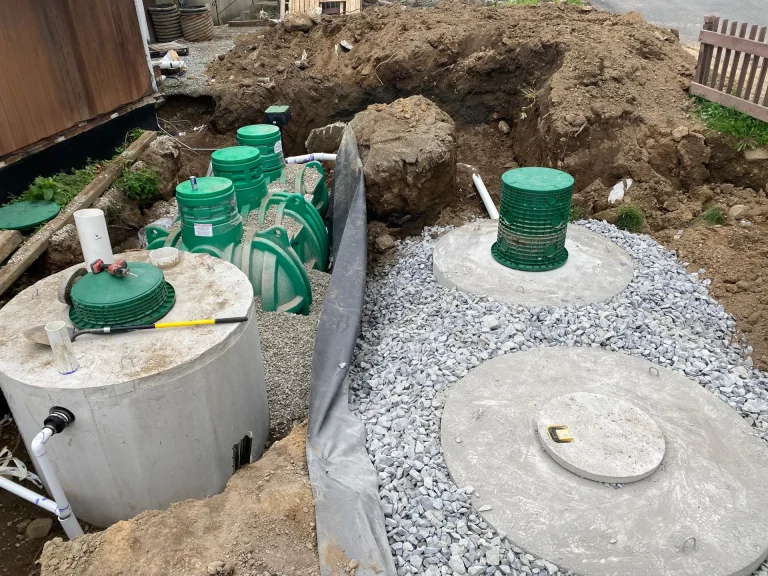
- replacing or enlarging the drain field
- adding a pump chamber or pressure distribution
- installing an advanced treatment unit
- increasing tank capacity to match current use
- relocating components to meet setbacks or site constraints
The best option is not always the largest or most expensive. A property with decent reserve area and workable soil might need only a new field and a few updated components. A constrained site near a shoreline may require advanced treatment because conventional dispersal is no longer acceptable. This is where design experience matters. A contractor who understands local soils, permit agencies, and installation realities can often save a homeowner from both overbuilding and underbuilding.
Habits that can delay the need for bigger work
Good maintenance will not rescue every aging system, but it can meaningfully extend service life. The basics are not mysterious, though they are often ignored. Pump on an interval suited to your household and tank size, not just when something smells wrong. Fix leaking toilets quickly because a silent leak can send hundreds of extra gallons through the system over time. Spread laundry across the week instead of doing every load in one day. Keep grease, wipes, and non-biodegradable materials out of the plumbing. Protect the drain field from vehicles, deep-rooted trees, and roof or surface runoff.
One practical tip that saves headaches is keeping a simple record. Note pumping dates, inspection findings, repairs, and the system layout if you have it. I have seen owners save substantial time and money because they could tell the service crew exactly where the tank, field, and cleanouts were located and when the last maintenance was done. That kind of information turns a vague service call into a focused one.
Knowing when to stop patching and commit
The hardest judgment is often emotional, not technical. People do not like replacing buried infrastructure. A new roof is visible. New windows are visible. Septic work disappears into the ground after costing real money. That makes homeowners especially vulnerable to delay.
A useful benchmark is pattern recognition. If you have a single isolated issue after many years of dependable operation, repair and routine septic services may be all you need. If you have recurring backups, recurring wet spots, repeated pump-outs, household changes that increased demand, or inspection findings that point to field decline or structural deterioration, it is time to think in terms of upgrade rather than rescue.
Good septic decisions rarely come from panic. They come from early evaluation, honest assessment, and a willingness to match the system to the way the property is actually being used now. When that happens, the result is not just fewer emergencies. It is a system that works quietly, safely, and predictably, which is exactly what a septic system is supposed to do.
Excavating New Jersey LLC
Address: 406 County Rd 565, Wantage, NJ 07461
Phone number: +19737914284
FAQ About Septic Services
What is the average cost to get a septic tank emptied?
Emptying a septic tank costs between $290 and $560 on average, with most homeowners paying about $420. Prices vary based on tank size.
What is septic service?
Septic service inspects, pumps, cleans, and maintains a septic tank. A septic tank is a large, underground container that collects and treats wastewater from your home. Over time, sludge, scum, and other debris, like hair and solids, can build up in your tank and clog your drain field.
How often should you have a septic tank serviced?
A standard septic tank should be inspected every 1 to 3 years and pumped every 3 to 5 years. However, the exact schedule depends on your tank's capacity, household size, and daily water usage.